

Vitamin D3 (in combination with K2) is one of my top 8 anti-EBV and nutrient “Superstars” necessary for EBV recovery. It is a powerful hormone that has a significant impact on your immune system and your ability to ward off EBV and other infections and prevent intestinal permeability.
Vitamin D and EBV Recovery
- Vitamin D stimulates production of potent antimicrobial peptides from immune cells like neutrophils, monocytes, and NK cells, strengthening your defense against viruses and bacteria (Vasquez, 2016). The most prominent antimicrobial peptide is called cathelicidin (CAMP). CAMP can quickly neutralize pathogens.
- Antiviral effects: Vitamin D helps fight EBV (influenza, and other viral infections) by boosting innate immune responses.
- CD8+ T-cells, which specifically fight EBV-infected cells, depend on Vitamin D (Pender, 2012).
- Inhibits NF-κB: EBV uses this inflammatory pathway to replicate; Vitamin D blocks it (Chen et al., 2013).
- Regulates methylation: Vitamin D3 supports proper methylation—a process that influences EBV gene expression (Zhu et al., 2013). Healthy methylation curbs EBV.
- Unfortunately, EBV can block the Vitamin D receptor (VDR), reducing its antiviral capacity—one reason some individuals may need temporarily higher doses for immune support.
Low Vitamin D levels can make it harder for your immune system to control EBV and may increase the risk of autoimmune conditions.
Vitamin D and Autoimmune Disease
A fascinating connection exists between EBV, Vitamin D, and autoimmune diseases like Multiple Sclerosis (MS).
- A randomized controlled trial found that high-dose Vitamin D3 (20,000 IU weekly for 96 weeks) lowered EBV antibody levels (EBNA1) in MS patients (Rosjo et al., 2017). Note: Please do not try that at home without medical supervision.
- Early and consistent Vitamin D optimization may help prevent MS in genetically susceptible individuals.
- Growing up with chronic Vitamin D deficiency and early EBV exposure may increase MS risk.
Read more on the EBV/MS connection: Does EBV Cause Multiple Sclerosis?
Understanding Vitamin D
Technically, Vitamin D is a steroid-like hormone and one of the oldest in evolution—made by phytoplankton, zooplankton, and nearly all life forms exposed to sunlight for over 750 million years.
- It regulates over 2,000 genes, influences brain growth and function, and is vital for strong bones (more so than calcium, especially when combined with Vitamin K2).
- It maintains the integrity of your gut lining (“tight junctions”), helping prevent intestinal permeability by regulating zonulin, one of the regulatory proteins in these tight junctions. Tight junctions hold the intestinal cells together.
Every cell in the body has Vitamin D receptors—it’s truly a superstar nutrient.
Deficiency Risks
Low Vitamin D has been linked to:
- Obesity, osteoporosis, osteoarthritis
- Mental health issues (low serotonin, seasonal affective symptoms)
- Hypertension, heart disease, and bone fractures
- “Leaky gut” (intestinal permeability) and possibly “leaky brain”
- Certain cancers (breast, colon, ovary, prostate, lymphoma)
- Chronic pain and reduced immune resilience
Even in sunny places like Hawaii or Florida, over 50% of people test low (<30 ng/mL), due to modern indoor lifestyles. Some individuals have genetic mutation in one of the VDR genes for Vitamin D and therefore may require higher doses of Vitamin D supplementation.
Food Sources
Vitamin D from food alone isn’t sufficient for most people. Small amounts occur in: fatty fish, cod liver oil, egg yolks, beef liver, cheese, shrimp, sunflower seeds, natto, and sun-dried shiitake mushrooms.
Sun exposure remains the most natural and efficient source. Just 10–15 minutes of direct sun on exposed skin can produce around 4,000 IU.

Optimal Levels & Dosing
- Ideal blood level: 50–80 ng/mL (optimal up to 90–100 ng/mL).
- Daily maintenance/long-term dose: 5000IU D3/K2; in some individuals, 10,000IU D3/K2 may be needed daily, but this has to be assessed with a clinician and based on regular testing of vitamin D level during summer and winter, and that should be tested with and without supplementation; genetic impairments (e.g., VDR gene SNPs) are not uncommon – in those cases discuss a daily 10,000IU supplementation with your doctor.
- Higher therapeutic dose: 10,000 IU/day D3 +K2 (short-term, under supervision).
- Acute infection support: A few cases have been reported of a successful resolution of acute mono infections with a loading dose of 150,000-200,000 IU (50,000IU for 3 to 4 days), followed by 10,000IU a day for a month (Schwalfenberg, 2021 (Schwalfenberg, 2021).
- Always retest and individualize dosing based on genetics (e.g., VDR polymorphisms), age, and season.
Best absorbed when taken:
- Daily (not weekly/monthly)
- With food containing healthy fats
- Alongside Omega-3s and Vitamin K2
Watch for Toxicity
Excess Vitamin D can raise calcium levels too high, leading to:
- bone pain (ricket-like symptoms)
- kidney stones,
- nausea,
- confusion,
- arterial calcification: use D3 + K2 together to prevent this—Vitamin K2 directs calcium into bones, not arteries, joints or heart muscle. In studies, adding Vitamin K2 reversed existing calcification in animals.
Medication Interactions
Some drugs interfere with Vitamin D activity or absorption:
- Anticonvulsants (reduce D activity)
- Cholesterol medications (block fat-soluble vitamin absorption)
- Heparin, corticosteroids, diuretics, calcium channel blockers (alter calcium or D metabolism)
- Bile acid sequestrants used for lowering cholesterol reduce the absorption of fat-soluble vitamins (Vitamin A, D, E and K).
- Vitamin D may interfere with calcium channel-blockers used for chest pain, unusual heartbeat, or high blood pressure.
- Thiazide diuretics with Vitamin D and calcium supplements may cause calcium levels to increase to above normal.
- Do not use D with some medications for hypertension and for arrhythmia.
- Corticosteroids impair Vitamin D function.
Always check with a healthcare provider before adding supplements.
Clinical Pearls
- In chronic EBV, check your D status at least twice a year (summer and winter).
Some individuals with genetic differences or gut issues may need ongoing higher doses. - Combining sunshine + D3/K2 + Omega-3 + gut repair = a powerful foundation for EBV management and autoimmune prevention.
Final Thoughts
Vitamin D is not optional—it’s foundational.
Test, supplement wisely, pair with K2, and enjoy some sun exposure when you can.
It’s one of the most potent, evidence-backed tools for managing EBV, preventing autoimmune conditions like MS, and supporting your long-term vitality.
Best Vitamin D3/K2:
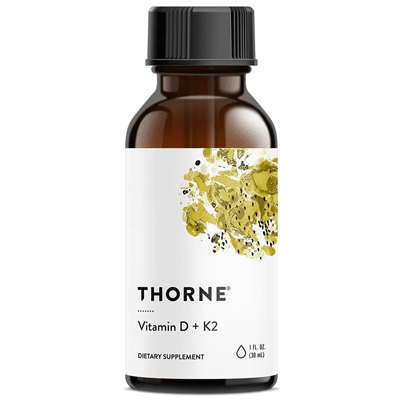
Vitamin D3/K2 Drops: This is the simplest and most practical product to take in a drop form. The only other ingredient is MCT. This is the product we recommend to our EBV community and our Program students. This is a small bottle that goes a long way and is very practical to travel with.
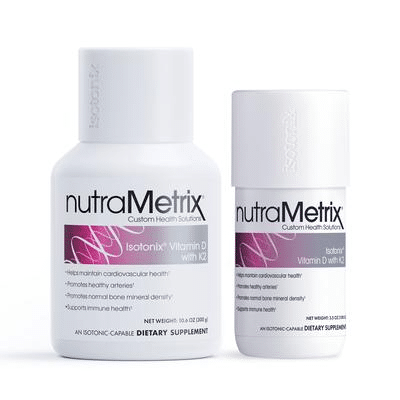
Isotonix D3/K2: This is the most highly absorbable Vitamin D, especially beneficial for those with any gut impairments, making it hard to absorb nutrients. I find that individuals that fail to improve their blood serum levels of Vitamin D with other forms of supplementation are successful with the isotonix product. This is what I take personally.
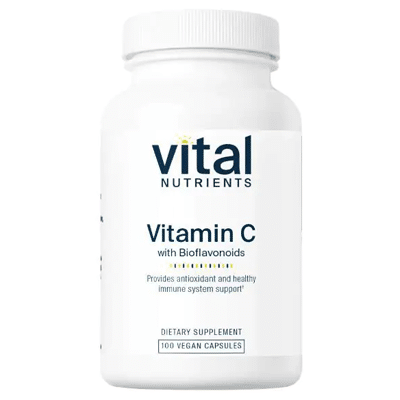
Watch Our Free Training on Vitamin C Supplementation

Disclaimer
This information is for educational purposes only and is not to treat or diagnose any disease. Do not discontinue any medication to use vitamin D.
Any supplement can cause reactions. In that case stop immediately. The side-effects and counter-indications listed are not all inclusive, so do not start any supplement until you talk to your doctor or your pharmacist.
References:
Chen et al., 2013. J Biol Chem, 288(27), 19450–19458.
Pender, M.P., 2012. Autoimmune Dis, 2012, 189096.
Rosjo et al., 2017. Mult Scler, 23(3), 395–402.
Schwalfenberg, G.K., 2021. Ann Nutr Disord & Ther, 8(1): 1068.
Vasquez, A., 2016. Doctoral Lecture, DCN program.
Zhu et al., 2013. J Pediatr, 162(5), 1004–1009.


Leave A Comment