

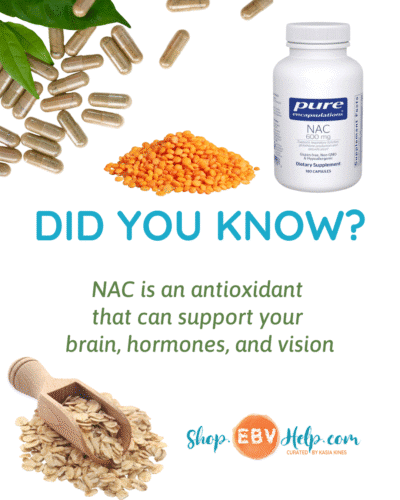
NAC is a versatile amino acid and antioxidant that is indispensable for anyone with Epstein-Barr Virus (EBV) and is part of my EBV recovery supplement protocol. NAC came to light, and deservedly so, during COVID for its anti-inflammatory and antioxidant benefits in the management of COVID-19 and post-vaccination injury syndrome, with its unique quality to tackle spike proteins (Halma et al., 2023) to alleviate the fibrinogen-resistant blood clots.
NAC is known as N-acetyl-cysteine, N-acetylcysteine, N-acetyl-cysteine, and N-acetyl-L-cysteine. NAC is a conditional or semi-essential amino acid necessary to make an important amino acid cysteine. Semi-conditional means that at certain times and/or under certain circumstances, the body may not be able to make enough of it on its own. Amino acids are the building blocks of protein.
Here is a profile of NAC. I will focus on EBV but we will also highlight benefits beyond the virus, so if you add NAC to your supplement regimen, you will appreciate it so much more.
NAC for EBV: Scientific Highlights
- Like Licorice and Selenium, NAC can inhibit NFkB (Geilert et al., 2010). NFkB is an inflammatory protein used by EBV to replicate itself.
- It blocks EBV replication (Geiler et al., 2010).
- It decreases inflammation caused by latent EBV activity, between EBV reactivations (Gao X, et al., 2017).
- It is very well researched as a powerful antioxidant, targeting free radicals both as a direct antioxidant and as a precursor to glutathione, one of the most important antioxidants the body produces internally. This is very relevant in EBV, which creates massive levels of oxidative stress/free radicals (Raghu et al., 2021). Without glutathione, you will have a stacking of free radical damage.
Beyond EBV: Wider Benefits of NAC Supplementation
- NAC is beneficial for your liver, kidney, and your detoxification pathways.
- It supports the cellular systems in your cells, modulates the immune system, and is anti-inflammatory (Shi et al., 2020).
- Supplementation with NAC significantly decreases the frequency of influenza, as well as the severity and duration of most symptoms (Shi et al., 2020).
- Studies also confirm NAC’s effectiveness for chronic bronchitis and COPD (Matera et al., 2016).
- NAC is beneficial in many chronic conditions, e.g., polycystic ovary syndrome, endometriosis, male infertility, cataracts, glaucoma, dry eye syndrome, multiple sclerosis, stroke outcomes, non-acetaminophen-induced acute liver failure, Crohn’s disease, ulcerative colitis. It may help psychiatric disorders, schizophrenia, bipolar disorder, depression, obsessive-compulsive disorders, and improve reward-reinforcement pathways in the brain—because of its high antioxidant value (Yahia et al., 2024).
- NAC looks promising in Alzheimer’s disease (when used along with lipoic acid), Parkinson’s Disease (Tardiolo et al., 2018).
- NAC decreases plasma homocysteine levels (Hildebrandt et al., 2015).
- There are even some studies suggesting it may increase nitric oxide production (Efrati et al., 2003).
Side Effects: What to Be Aware of with NAC
- In high doses, NAC can cause gastrointestinal upsets, so decrease accordingly.
- If taken before sleep, it may cause insomnia.
- It is a methyl donor, so it is also beneficial in people with impaired methylation (e.g., MTHFR gene SNP), but in rare cases, too much methyl can cause methyl trapping—you will know if that is the case because you will feel worse on NAC and better without it. There is no way to know until you try it.
- NAC will be poorly tolerated if you have sulfur intolerance.
- You may feel fatigued if you take more NAC than your body can use.
When NOT to Use NAC
- Do not take NAC if you are taking blood thinners and certain blood pressure medications.
- NAC may strengthen the effect of nitroglycerin and isosorbide (Isordil), two medications commonly used to treat chest pain. But this combination may also raise the risk of side effects, such as severe headaches, and may lead to abnormally low blood pressure. Do not take NAC with these medications unless your doctor tells you to do so.
- Do not take NAC with medications that suppress the immune system, such as azathioprine (Imuran), cyclophosphamide (Cytoxan), or prednisone (Deltasone).
- People with cystinuria, a kidney condition in which too much cysteine is lost in the urine, should not take cysteine supplements like NAC.
- Do not use toxic forms of cysteine: D-cysteine, D-cystine, 5-methyl cysteine.
- Do not take NAC when you have sulfur intolerance. You will know if you have sulfur intolerance if you cannot tolerate garlic, onions, kale, and eggs.
- NAC should not be taken with MCAS
- If you are on any medication, discuss NAC with your doctor or pharmacist.
- Safety Alert: Never open capsules to use NAC in powder form. The powder will damage tooth enamel.
Our Recommendation
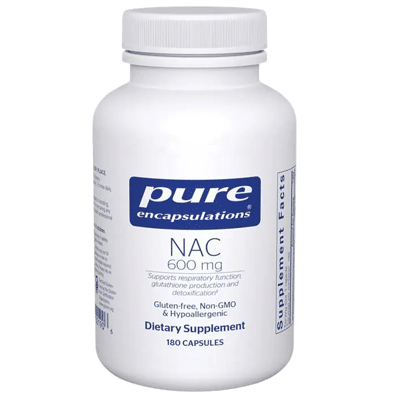
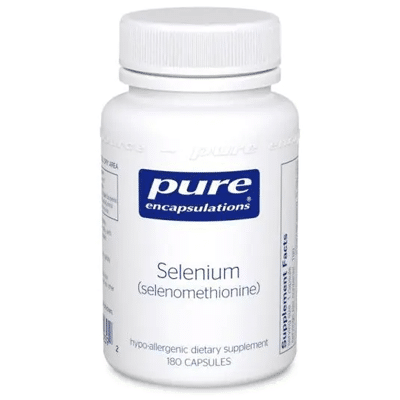
Here is the NAC supplement we recommend: NAC by Pure Encapsulations
Watch Our Free Training on NAC

Disclaimer
This information is for educational purposes only and is not to treat or diagnose any disease. Do not discontinue any medication to use NAC supplement.
Any supplement can cause reactions. In that case stop immediately. The side-effects and counter-indications listed are not all inclusive, so do not start any supplement until you talk to your doctor or your pharmacist.
References:


Leave A Comment