
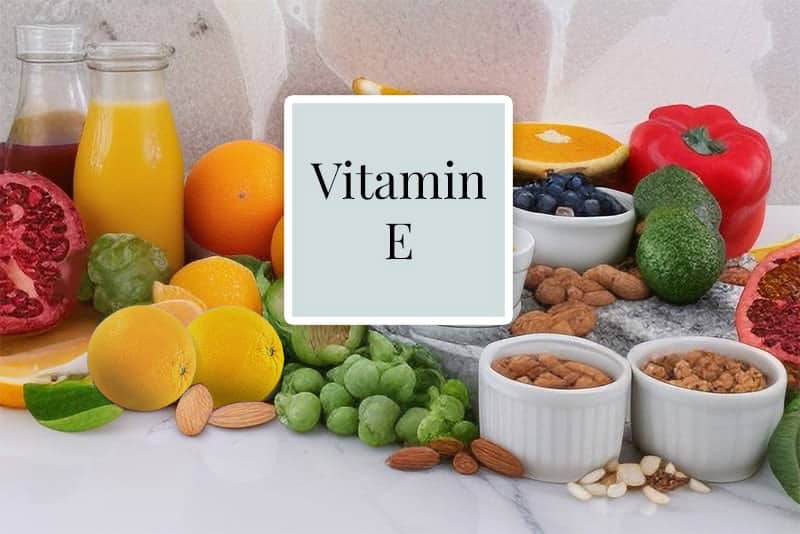
In this article, I’ll explain the value of Vitamin E not only for recovery from Epstein-Barr Virus, but also for its broader health benefits—so you can see why it deserves a permanent spot in your wellness toolbox.
Key Takeaways
- Vitamin E is essential for every cell in your body
- It’s a key protector of cell membranes and omega-3 fatty acids
- It’s a potent antioxidant and a natural antiviral when it comes to EBV
- Most people are deficient and don’t even know it
- A clean 400 IU supplement can make a huge difference—but don’t overdo it
- When looking for vitamin E, avoid synthetic supplements
Why Vitamin E is One of My “Stellar Superstars”
Vitamin E is part of my “Top 8 Stellar Superstars” for wellness—and for good reason. It is a fat-soluble antioxidant that protects your cells, particularly the fats that make up cell membranes. Healthy cell membranes are essential for every cellular function, much like a brain controls a body.
It plays such an important role in my work with our EBV community that it is part of our EBV Ultimate Bundle that I recommend to our EBV Recovery Program students. You can find it here in our Supplement Shop. Use code EBVHeroes10 for 10% off always!
Learn More About My “Stellar Superstars”
The Big Picture: Widespread Vitamin E Deficiency
A major U.S. nutrition study (NHANES, 2001–2002) showed that 93% of Americans did not meet even the estimated average requirement for vitamin E (ARS, 2005). That’s alarming—especially considering how essential this vitamin is.
And those estimates were already low. They were based on what’s needed to prevent disease in 50% of people—not what’s needed to thrive. Our food supply and soil quality have only worsened since, so today, those numbers are likely even more dismal.
⚠️ The EAR meets the needs of only 50% of the population—so most people are likely deficient.
Deficiency is not just a theoretical concern: low vitamin E can make normally benign viruses more aggressive (Beck, 2007), which is highly relevant for EBV.
Vitamin E’s Role In Reducing Oxidative Stress
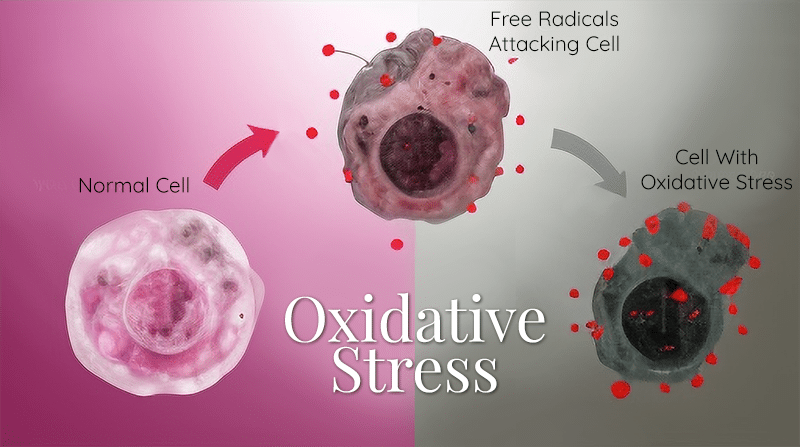
If you’ve heard me talk about oxidative stress, you know EBV produces a lot of it. Oxidation means free radical damage, which means accelerated aging and inflammation. This is what contributes to fatigue, brain fog, achiness, malaise, and so much more.
Vitamin E helps counteract this because it protects fatty acids in cell membranes, including omega-3s (Chen et al., 2003). Cell membranes are primarily made of fatty acids like omega-3.
Protecting Cell Membranes: Why They Matter More Than You Think
Think of your cell as a little ball:
- Inside is the nucleus.
- Outside is the cell membrane—made of fat and essential fatty acids like omega-3.
We used to think the nucleus was the brain of the cell. But research by Dr. Bruce Lipton showed that if you remove the nucleus, the cell can still survive for a while. However, if you damage the cell membrane, the cell dies immediately.
Thus, the cell membrane is actually the brain of the cell—and it must be protected.
That’s exactly what vitamin E does: it shields those fragile fats (like omega-3) from oxidative damage.
This is also why the quality of fats in your diet matters so much. Low-quality fats create weak membranes. Good fats need protection—and vitamin E is their bodyguard.
How Vitamin E Supports EBV Recovery
Let’s zoom into EBV.
Vitamin E:
- Reduces viral replication of EBV
- Decreases NF-κB, a pro-inflammatory protein that EBV uses to hijack your immune system and replicate itself.
For example:
A study showed that one fast-food breakfast increased NF-κB levels by 150% for two hours (Aljada et al., 2004).
The more NF-κB your body produces, the more EBV replicates. Vitamin E helps to suppress NF-κB—making it a key part of the defense.
Vitamin E vs. EBV-Infected Immune Cells
One study looked at EBV-infected B cells (your immune cells) and found that vitamin E completely inhibited LMP1, an oncogenic (cancer-related) protein produced by EBV.
That’s potentially huge. This tiny nutrient may be able to help stop a cancer-related viral protein in its tracks.
Additional Health Benefits of Vitamin E
Beyond EBV, vitamin E:
- Helps prevent LDL cholesterol from oxidative damage (linked to heart disease)
- Supports brain health (omega-3s + vitamin E = perfect pair)
Is essential for reducing cellular inflammation and protecting tissues
How to Take Vitamin E Safely (Dosage, Risks, and Interactions)
Unlike some nutrients we use in high doses during EBV recovery, vitamin E is powerful in moderation. More is not better.
✅ Recommended dose: 400 IU/day
🚫 Avoid high doses, especially if you have heart disease, diabetes, or bleeding disorders
Safety caution:
- Vitamin E may interact with blood thinners, anticoagulants, and anti-platelet meds
- Be cautious if you have low vitamin K, as it can reduce clotting further
- Do not exceed 400 IU if you have a history of heart disease or diabetes, as high doses have been linked to increased risk of prostate cancer in some studies
Choosing a High-Quality Vitamin E Supplement
Most supplements on the market are synthetic—which is not what you want. Here’s what to look for:
Choose:
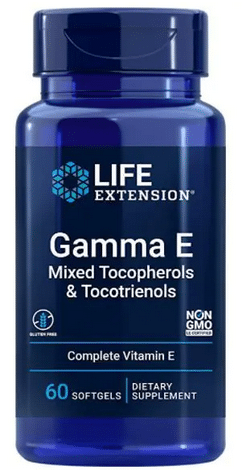
- d-alpha-tocopherol (think: “D” for “Do it”)
- Mixed tocopherols in the formula for best results
Avoid:
- dl-alpha-tocopherol (this is synthetic and not as bioavailable (think of it as “Don’t Like it”!)
Since it’s fat-soluble, always take vitamin E with food for best absorption.
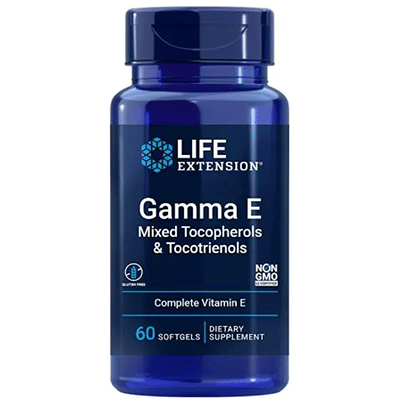
Here’s the Vitamin E that I recommend to our EBV Recovery Program students. You can find it here in our Supplement Shop. Use code EBVHeroes10 for 10% off always!
I hope this gave you a whole new appreciation for vitamin E—and how it fits into your EBV recovery journey.
Incorporating vitamin E into your EBV recovery journey can significantly support your immune system, reduce oxidative stress, and protect overall cellular health.
Watch Our Free Training on Vitamin E Supplementation

Disclaimer
This information is for educational purposes only and is not to treat or diagnose any disease. Do not discontinue any medication to use Vitamin E.
Any supplement can cause reactions. In that case stop immediately. The side-effects and counter-indications listed are not all inclusive, so do not start any supplement until you talk to your doctor or your pharmacist.
References:


Leave A Comment