

Licorice is the only botanical that made it to my top 8 supplements for Epstein Barr Virus, so it is definitely worth investigating if you are looking for the best EBV supplements. Caution is advised, though, as it is not safe for everyone. We will discuss that as well as all that you need to know about this medicinal plant and how to use it effectively and safely to turn down your EBV.
What is licorice?
Licorice (Glycyrrhiza glabra) is a flowering plant of the bean family Fabaceae, whose sweet and aromatic root has been used medicinally for a long time. It is a perennial legume native to West Asia, North Africa, and Southern Europe. Due to its distinct flavor, it has been used in the food industry as well.
People either like or strongly dislike licorice flavor, by the way, I have noticed over the years.
If you’ve never tasted licorice, I encourage you to start with licorice tea. If you find that licorice flavor is not your favorite, then pick capsules over drops if you decide to use it therapeutically.
Why Licorice Root is So Powerful
Licorice is considered one of the most powerful non-specific antiviral botanicals that’s readily available. It’s beloved in Chinese medicine and has been used for hundreds of years. Licorice contains many active constituents—many of them flavonoids, including quercetin. But the most important antiviral component is glycyrrhizin.
NOTE: in order to maximize the anti-EBV activity of licorice, you need to use the full and complete licorice, with glycyrrhizin in it, and not DGL form, which has it removed.
How licorice supports your healing from EBV:
- Glycyrrhizin irreversibly inactivates herpes simplex viruses (Pompeiet et al., 1979); EBV is also a herpesvirus.
- Glycyrrhizin interferes with early steps of EBV replication such as attachment, penetration, and entry (Lin, 2003).
- Flavonoids in licorice root have been shown to decrease a Xanthine Oxidase, a specific free radical created by EBV (Flavin, 2006).
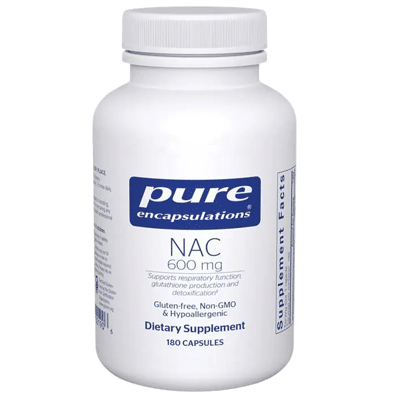
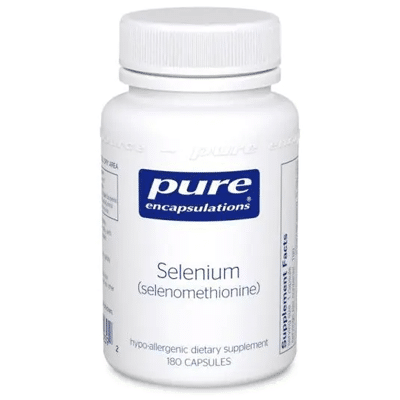
- Glycyrrhizin in licorice (along with NAC and selenium) inhibits EBV by inhibiting NFkB (Ojima et al., 1990). NFkB is an inflammatory protein that EBV hijacks to replicate – I talk about NFkB more in video trainings and in my book. Also check my blogs and video training on NAC and Selenium.
- Both flavonoids, glucuronic acid and glycyrrhetinic acid work in synergy to decrease viral toxicity (Chesler et al., 2002).
- Glucuronic acid and glycyrrhetinic acid also increase interferon gamma: one of the key antiviral mediators in the body which is also central to the elimination of viruses from the central nervous system (Chesler et al., 2002).
- According to Flavin, licorice flavonoids reduce xanthine oxidase, a specific free radical created by EBV that contributes to these four most common complaints in people with chronic EBV (2006). These are:
- Achy joints
- Brain fog
- Fatigue
- Muscle pain
Benefits of licorice extending beyond EBV:
- Reduces viral toxicity via flavonoids like glucuronic acid and glycyrrhetinic acid.
- Supports the production of interferon gamma, a key antiviral mediator, essential for clearing viruses from the central nervous system and brain.
- Licorice contains strong anti-cancer flavonoids including quercetin, liquiritin, liquiritigenin, glabridin, licoricidin, and isoliquiritigenin, of which quercetin is most abundant. In an animal study on EBV-derived cancer, “quercetin inhibited EBV viral protein expressions, including EBNA-1 and LMP-2 proteins in tumor tissues from mice injected with EBV (+) human gastric carcinoma” (Lee et al., 2016). Thus, licorice root can play an important role not only against EBV itself but even possibly against EBV-induced carcinoma.
Licorice & Adrenal Health
Licorice raises blood pressure, providing a little energy umph to a person with chronic EBV. Chronic low blood pressure is very common in the EBV population, secondary to adrenal insufficiency/dysregulation (sometimes misnamed “as adrenal fatigue”) from chronic stress. Chronic stress translates into overproduction of cortisol, which causes catabolic damage to organs. Licorice has the ability to inhibit cortisol, thus turning off the stress cycle. I find licorice is a great tonic for adrenals in those with chronic EBV that also have chronically low blood pressure.
Licorice doesn’t work like caffeine – it’s not a stimulant – it acts as a buffer and provides nourishment to adrenals over-exerted from chronic stress. Many people feel calmer, more supported, and more energized with it.
However, since licorice can raise blood pressure – if you already have high blood pressure, don’t use licorice unless you’re working closely with a practitioner to bring your blood pressure down first.
Antibacterial & Antifungal Effects of Licorice
Licorice is active against:
- H. pylori, including antibiotic-resistant strains (Fukai et al., 2002)
- Streptococcus aureus (including antibiotic resistant strains)
- Mycoplasma
- Mycobacterium
- S. pyogenes
- Haemophilus influenzae
- Moraxella catarrhalis
- Even Candida (Mitscher et al., 1980) (Tsukiyam et al., 2002)
Which form of licorice to use for gut infections:
For gastrointestinal support, use DGL (deglycyrrhizinated licorice). It’s more effective for the gut but does NOT help EBV because the antiviral component has been removed. As such, it does not affect blood pressure and is not counter-indicated for people with hypertension.
Other Benefits of Licorice
- Anti-inflammatory
- Soothes and protects the gut lining (gastritis, ulcers, H. pylori)
- Adrenal tonic – supports adrenal function, especially important in chronic EBV
- Modulates estrogen levels – lowers excess exogenous estrogen (from plastics, pesticides, etc.) (Kumagai et al., 1967), (Kraus et al., 1969)
- May enhance memory (Dhingra et al., 2004)
- Inhibits liver damage
Important Cautions & Interactions
Do NOT use licorice if you:
- Have high blood pressure or take anti-hypertensive medications
- Take diuretics, digitalis, insulin, or blood sugar-lowering medications
Are on medications metabolized by the CYP450 3A4 enzyme (licorice may potentiate them—making them stronger). People with certain gene SNPs may also over-metabolize supplements or medications – if you are one of them, you probably already know it. You have to start with very low doses.
NOTE: Hypersensitivity to licorice:
Higher blood pressure, heart palpitations, feeling jittery and “wired” are some of the symptoms of the detrimental effect licorice can have on some people. In many cases, it is caused by existing hypertension (for which licorice is counter-indicated) but also dehydration and a diet high in sodium and low in calcium and potassium at the same time (SAD diet). Stop licorice if the former is the case. If the latter is the case, work with a clinical nutritionist to improve your diet, increase your water intake, fruits, and vegetables, and eat out less to decrease the excess refined sodium that comes from restaurant foods. Switch to quality microplastic-free salt like baja Gold for cooking at home. If you already are on an anti-hypertensive medication, licorice is not for you, as indicated above.
Discuss licorice with your doctor before supplementing with it.
Side-effects and Important Reminders about Licorice
Always start low and under supervision!
- Long-term use of licorice could cause low potassium, low testosterone, more depression and fatigue, sodium retention, high blood pressure, muscle pain, or numbness.
- Licorice has been considered safe in pregnancy except if hypertension is present, but double check with your doctor
- Licorice can be an issue, so should be avoided by people on digitalis, diuretics, and anti-hypertensive medications. Also, monitor blood sugar levels very closely if you use oral hypoglycemic medications or insulin.
- Remember to discuss licorice with your doctor before you supplement with it.
Avoid taking licorice late in the day—it can energize you too much and affect sleep.
If you experience:
- Heart palpitations
- Racing heart
- Feeling wired or anxious
- Agitation or overstimulation
…you may be overdoing it or sensitive to licorice.
Pro Tip: Start with Tea
If you’re new to licorice, tea is the gentlest way to test your body’s response. It’s safe for most people without high blood pressure and can still offer significant benefits.
Final Thoughts
Licorice is one of the most powerful and versatile botanicals we can use for EBV and other conditions—when used mindfully. The dosing information in this blog is for educational purposes only. Please consult your practitioner before using licorice, especially if you’re on medications or managing additional chronic health issues, and never stop any medication you are on in order to supplement with licorice.
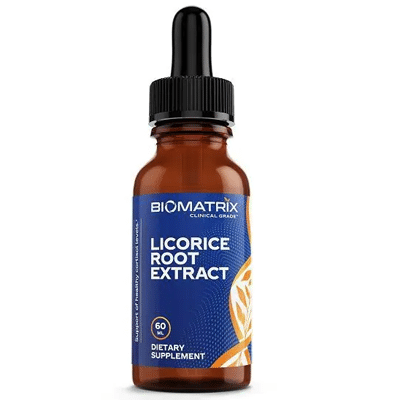
Here is the Licorice Root I recommend to my clients, which is in our EBV Ultimate Bundle. Use code EBVHeroes10 for 10% off always!
Watch Our Free Training on Licorice Root

Disclaimer
This information is for educational purposes only and is not to treat or diagnose any disease. Do not discontinue any medication to use licorice root.
Any supplement can cause reactions. In that case stop immediately. The side-effects and counter-indications listed are not all inclusive, so do not start any supplement until you talk to your doctor or your pharmacist.
References:


Leave A Comment