
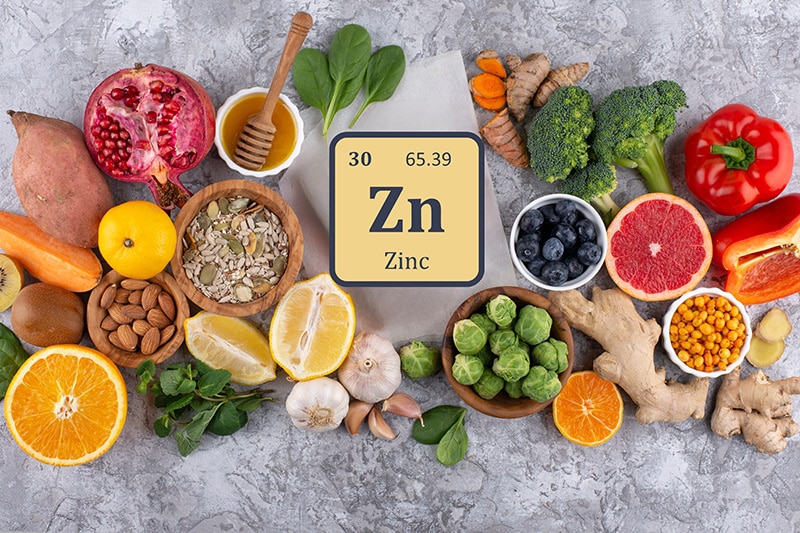
Zinc supplementation for EBV plays a powerful role in recovery, combining zinc’s antiviral strength with its ability to restore immune balance. When included as a part of your EBV healing protocol, zinc will:
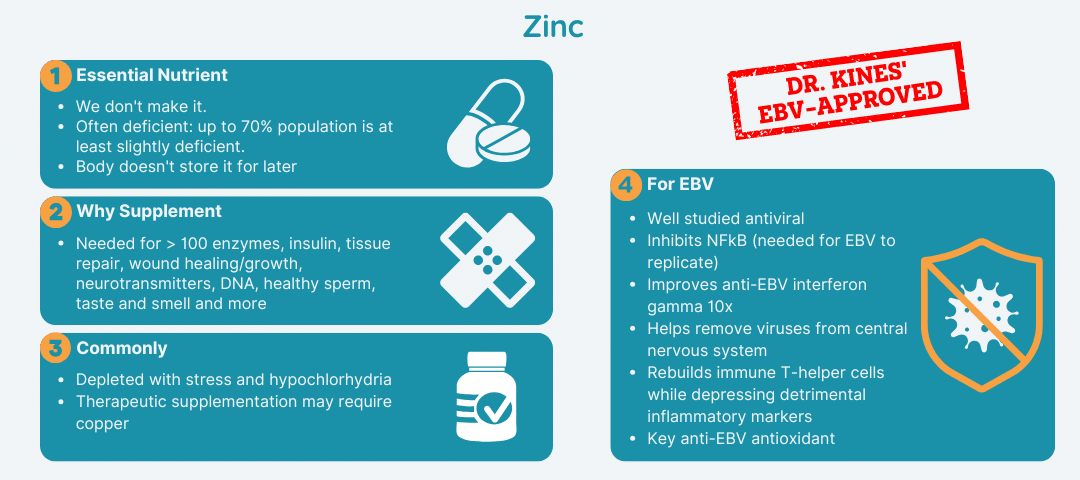
- It inhibits NF-kappa B (NFkB).
EBV hijacks NFkB, a key molecular pathway, to replicate inside your body. Zinc helps shut this down, reducing viral replication (Uzzo et al., 2006). - It boosts interferon-gamma.
Interferon-gamma is one of your body’s strongest antiviral cytokines—especially important for viral defense in the central nervous system, where EBV can hide (Chesler & Reiss, 2002). Research shows zinc can enhance interferon-gamma activity up to tenfold (Flavin, 2006). - It restores immune balance.
Zinc supports the thymus gland’s production of thymulin, a hormone that helps T-helper cells mature—critical for proper immune response (Reggiani et al., 2009). In zinc-deficient, chronically infected patients, supplementation can restore thymulin levels and immune function (Vasquez, 2014). - It prevents viral replication in real life.
Even simple zinc lozenges have been shown to reduce viral replication and shorten infections like the flu (Roxas & Jurenka, 2007). For EBV, short-term and long-term zinc support can help reduce viral load and improve immune resilience.
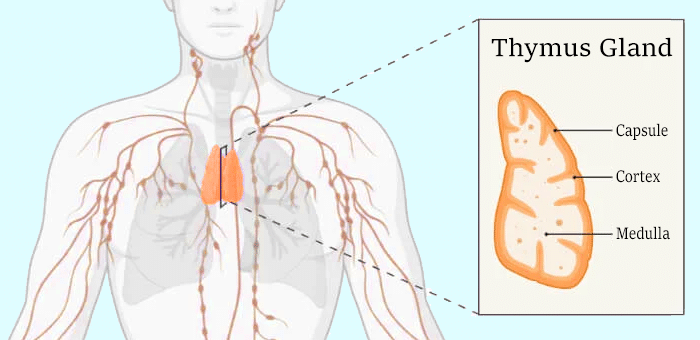
Zinc is essential for the function of the thymus gland, which produces T cells that help fight infections. Adequate zinc levels support the development and regeneration of the thymus, building up immune function.
Zinc as an Antioxidant and Anti-Inflammatory
As we often say: EBV hates antioxidants.
Zinc acts as both an antioxidant and an anti-inflammatory, protecting your immune system from oxidative stress. Deficiency in zinc can cause:
- Reduced T cell and NK cell function
- Lower CD4/CD8 ratio
- Decreased IL-2 and interferon-gamma levels
This weakened immune profile leaves you more vulnerable to viral reactivation and inflammation (Prasad, 2007; Hadden, 1995).

How to Know if You’re Zinc Deficient
Chronic stress—a hallmark of chronic EBV—depletes zinc. Many people living with EBV show signs of low zinc without realizing it.
Common signs of deficiency include:
- Loss of smell or taste
- Low stomach acid (hypochlorhydria)
- Poor wound healing or rough skin
- White spots on fingernails
- Hair loss, frequent infections, diarrhea
- Emotional changes, low libido, or lethargy
There’s even a simple zinc taste test you can try: use a liquid zinc supplement. If it tastes like water, you’re likely deficient. If it tastes bitter or metallic, your zinc levels are likely adequate.
Zinc deficiency can appear in varying degrees:
- Mild: sluggishness, poor stress response, decreased immune function, low sperm count, white nail spots
- Moderate: delayed wound healing, rough skin, poor appetite, lethargy
- Severe: immune dysfunction, diarrhea, emotional disorders, delayed development in males
Like folate, zinc even protects your DNA from damage—another reason it’s essential in long-term EBV recovery.
Zinc for Men’s Health
In men, zinc directly supports testosterone production and sperm health. Low zinc often equals low sperm count and low testosterone. It’s one of the first nutrients to check when addressing fertility or fatigue in men.
Forms of Zinc
There are several forms of zinc to consider:
Liquid (ionic) form:
- Absorbs well and often includes copper, which prevents copper deficiency during long-term zinc use.
- However, many people find this form unpalatable causing gagging, nausea and even vomiting (the latter happened to me!).
Lozenges:
- Great for sore throats or when EBV affects your tonsils and mouth area. The direct contact helps reduce viral activity locally.
Capsules:
- My preferred form for long-term use. Gentle on the stomach and easy to dose.
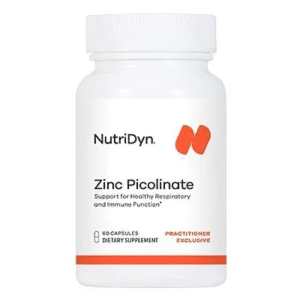
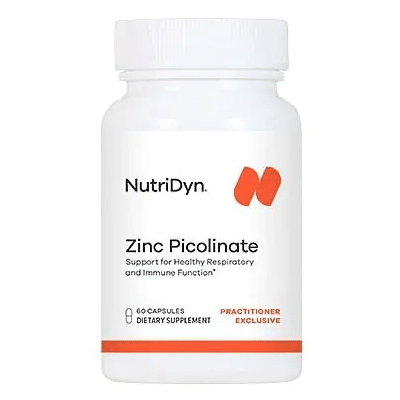
- We recommend our Zinc Picolinate 60 Capsules (25–30mg) — available at Shop.EBVHelp.com.

Daily Zinc Dosage Guidelines
- Daily safe upper limit: 40 mg/day
- Always take zinc with food (unless using lozenges)
- Avoid exceeding 40 mg/day long term
Too much zinc can mimic deficiency and cause:
- Nausea, vomiting, or stomach pain
- Flu-like symptoms
- Loss of taste
Also note:
- Calcium and iron can reduce zinc absorption. Take zinc at least 2 hours apart from those supplements or medications like antibiotics or diuretics.
- Excess zinc without copper can induce copper deficiency, leading to numbness or weakness in the limbs.
When Not to Use Zinc for EBV Recovery
Avoid taking zinc at the same time as:
- Antibiotics (especially quinolone or tetracycline types) — separate doses by 2–6 hours.
- Penicillamine (used for rheumatoid arthritis).
- Thiazide diuretics, which increase zinc loss through urine.
Final Thoughts
Zinc is small—but mighty. For those dealing with chronic EBV, it can be a game-changer. This one mineral supports immunity, reduces viral replication, protects your DNA, and helps restore balance where EBV creates chaos.
If you haven’t considered zinc in your recovery plan, now’s the time. You can purchase the zinc we recommend in our EBV Ultimate Bundle at Shop.EBVHelp.com, and use code EBVHeroes10 for 10% off always.
Take your zinc—your immune system will thank you.
Watch Our Free Training on Zinc Supplementation
Disclaimer
This information is for educational purposes only and is not to treat or diagnose any disease. Do not discontinue any medication to use Zinc.
Any supplement can cause reactions. In that case stop immediately. The side-effects and counter-indications listed are not all inclusive, so do not start any supplement until you talk to your doctor or your pharmacist.
References:
Chesler, D. A., & Reiss, C. S. (2002). The role of IFN-gamma in immune responses to viral infections of the central nervous system. Cytokine & Growth Factor Reviews, 13(6), 441–454.
Flavin, D. F. (2006). Reversing splenomegalies in Epstein–Barr virus-infected children: Mechanisms of toxicity in viral diseases. Journal of Orthomolecular Medicine, 21(2), 95–101.
Hadden, J. W. (1995). The treatment of zinc deficiency is an immunotherapy. International Journal of Immunopharmacology, 17(9), 697–701.
Prasad, A. S. (2007). Zinc: Mechanisms of host defense. Journal of Nutrition, 137(5), 1345–1349.
Reggiani, P. C., Sabatini, M., Moya, M., Raggio, M., & Goya, R. G. (2009). The thymus–neuroendocrine axis: Physiology, molecular biology, and therapeutic potential of the thymic peptide thymulin. Annals of the New York Academy of Sciences, 1153, 98–106.
Roxas, M., & Jurenka, J. (2007). Colds and influenza: A review of diagnosis and conventional, botanical, and nutritional considerations. Alternative Medicine Review, 12(1), 25–48.
Uzzo, R. G., Leavis, P., Hatch, W., Gabai, V. L., & Kolenko, V. (2006). Diverse effects of zinc on NF-kappaB and AP-1 transcription factors: Implications for EBV and immune modulation. Carcinogenesis, 27(10), 1980–1990.
Vasquez, A. (2014). Viral infections/dysbiosis and antiviral strategies. International College of Human Nutrition and Functional Medicine.
Wei, Z., Zhang, Z., Yang, Y., & Liu, Y. (2012). Antiviral activity of zinc salts against transmissible gastroenteritis virus in vitro. Veterinary Microbiology, 160(3–4), 468–472.


Leave A Comment