
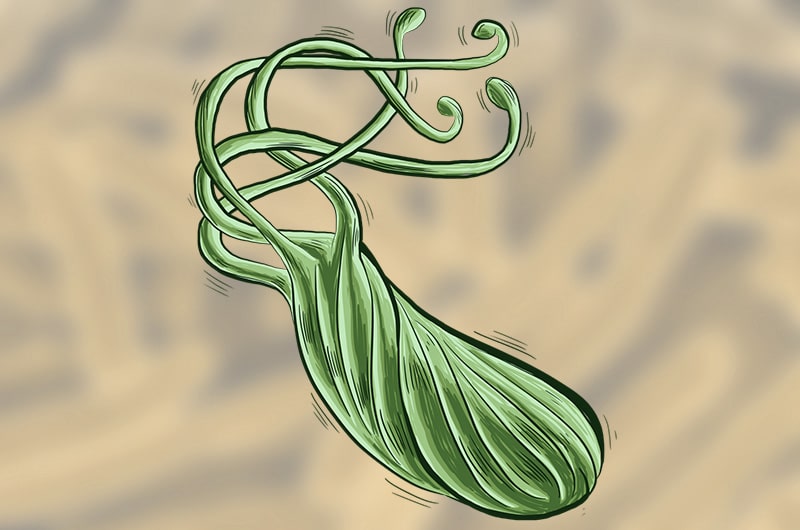
Helicobacter pylori, a gram-negative bacterium that inhabits the human stomach, may just be one of the most common co-infections in those with chronic EBV.
It is estimated that about half of the total population has H. pylori colonization. Not everyone will get sick. However, those affected can develop autoimmunity and even life-threatening conditions and cancer. The current treatment in medical practice is often ineffective, making it crucial to understand this bacterium and what to do about it, particularly when H. pylori and Epstein-Barr Virus cross paths.
EBV and Transactivation: Why H. pylori Can Reactivate EBV
A person compromised with chronic EBV is at a higher risk of co-infections (bacterial, viral, fungal…) and vice versa: a person compromised by a particular infection can reactivate their EBV. Medical literature calls this phenomenon “transactivation.”
COVID-19 was a perfect example of transactivation. There was a subgroup in the population with chronic EBV that developed chronic EBV or experienced a reactivation or worsening of their ongoing EBV as a result of contracting COVID-19. The same is true of H. pylori and EBV. This is why part of my work with our EBV community is H. pylori support.
H. pylori and Autoimmunity: What You Need to Know
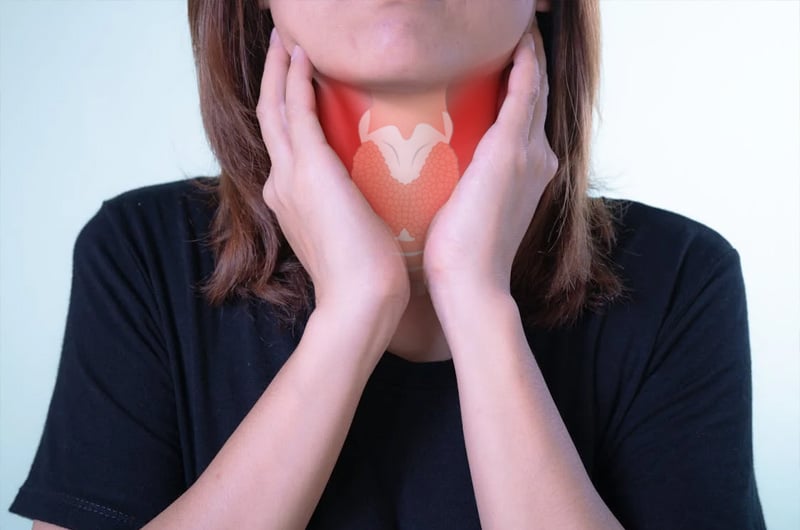
Let’s start with this lesser-known aspect of H. pylori. In our EBV community, the single most common autoimmune condition is Hashimoto’s Thyroiditis (HT). HT can be triggered by both H. pylori AND EBV. However, based on my observation in years of clinical work with EBV, Hashimoto’s is much more often caused by EBV.
It is surprising that H. pylori has been implicated in almost 100 autoimmune disorders (in some cases, though, it is unclear if H. pylori is actually a cause). Here are some examples:
- Rheumatoid arthritis
- Thrombocytopenic purpura
- Lupus
- Systemic lupus erythematosus
- Sjögren syndrome
- Systemic sclerosis
- Multiple sclerosis
- Neuromyelitis optica
- Primary sclerosing cholangitis
- Autoimmune hepatitis
- Alopecia areata
- Fibromyalgia
- Graves’s disease
- Narcolepsy
- Type 1 diabetes
- Psoriasis
The entire list of 95 conditions is listed in Smyk’s study (2014). Interestingly, just like in the case of HT, many of these conditions can also be caused by EBV.
In addition, H. pylori has also been found in bile and in the liver, as well as on the skin and in many sites in the mouth, where it is associated with periodontal disease and halitosis. It has been cultured from root canals an even plaque. It has been found in ears, nose, skin, and even eyes (Testerman, 2014).
Finally, studies have found a connection between H. pylori and:
- Hyperemesis gravidarum (a severe form of morning sickness)
- Spontaneous recurrent abortion
- Colon and pancreatic cancer
As you can see, H. pylori can be quite devastating to your health if unchecked. But that is not all… Let’s move on to the medical conditions the bacterium is well known for.
Gastrointestinal Complications of H. pylori
Let’s look at some statistics on the effects of H. pylori on our gastrointestinal tract, which is what H. pylori is most commonly known to affect.
- Approximately 70% of the population with H. pylori colonization in the stomach is asymptomatic.
- Of this 70%, 10-20% may develop peptic ulcers, and 1-2% may develop gastric cancer or mucosa-associated lymphoid tissue (MALT) lymphoma (Vitor & Vale, 2011).
- Around 90-100% of patients with duodenal ulcers are positive for H. pylori.
However, more than 80% of H. pylori-infected people never actually develop an ulcer (Misciagna, 2000). This may depend on low nutrients to repair the gut, bacterial resistance to antibiotics, and genetic predisposition.
The bacteria survive HCL in the stomach by making a cocoon made of ammonia. It is well known that H. pylori colonizes the gastric epithelium of humans, causing persistent infection with complications such as peptic ulcers. The relationship between H. pylori colonization of the gastric mucosa has been proven. H. pylori may be involved with reflux gastritis in gastroesophageal reflux disease.
- pylori increases the risk of gastric cancer, which is a major cause of cancer death worldwide. The World Health Organization has listed H. pylori as a carcinogen for gastric cancer (McNeil, 2008). In November 2014, the WHO published a working group report stating that the eradication of H. pylori should be used as a strategy to prevent gastric cancer, especially in high-prevalence areas (Graham, 2015).
- pylori’s presence is necessary, but not solely sufficient, for the full development of gastric cancer (Graham, 2015). H. pylori is a major cause of peptic ulcer, associated with chronic gastritis, mucosa-associated lymphoid tissue (MALT) lymphoma, and adenocarcinoma (inflammation-associated cancer) of the stomach (McMahon, 2015).
In the case of gastric adenocarcinoma, H. pylori induces inflammation and causes genetic and epigenetic changes in the gastric epithelial cells that lead to genetic instability. “Failure to eradicate H. pylori in patients with peptic ulcer disease is associated with a 60% annual ulcer recurrence rate compared with 10% after eradication and a two to three times increased risk of gastric adenocarcinoma” (Hung, 2009).
The bacterium can disrupt stomach acid production by affecting parietal cells, the cells responsible for HCL production; this can ultimately lead to a complete loss of parietal cells and a resulting atrophic gastritis—a life-threatening condition. Pernicious anemia is another serious condition implicated in H. pylori.
How to Test for H. pylori: Methods and Accuracy
There are four ways to test for H. pylori:
- Upper endoscopy with a biopsy
- Blood antibody test
- Urea breath test
- Stool test
If you only test one way, you may miss it. If you suffer from any of the medical issues listed above and the test you took was negative, I would definitely recommend adding a different kind of test just to be on the safe side.
Upper endoscopy biopsies can miss it as it grows in patches. Ask the doctor how many biopsies were taken. I find the GI Map stool test by Diagnostics Solutions effective at picking H. pylori up, even though stool tests may miss it if it is high in the upper gut.
H. pylori and Stomach Acid
Low stomach acid, as well as low antioxidant content in the gastrointestinal mucosa, is thought to predispose to H. pylori colonization. However, during therapy, HCL should be temporarily suppressed.
H. pylori colonization increases gastric pH, thereby setting up a positive feedback scenario and increasing the likelihood for the colonization of the stomach and duodenum with other organisms.
There is a relatively high incidence of hypochlorhydria, especially in the aging population. One of the manifestations of low stomach acid is rosacea. Interestingly, rosacea is also implicated in H. pylori.
H. pylori infection in the stomach has been found in patients with rosacea (Sarker, 1992). In a pilot study, H. pylori was found in 46 of 94 patients with rosacea, 38 of 88 patients with other inflammatory diseases, and 5 of 14 patients without an inflammatory disease. They also quoted an Irish study that found that 19 of 20 patients with acne rosacea tested positive for H. pylori.
It is possible that H. pylori is simply associated with rosacea and is not a causative factor per se because patients with rosacea may have rates of H. pylori infection similar to those in healthy subjects (Sharma, 1998). It is interesting to note that patients with rosacea complain significantly more frequently of “indigestion” and use more antacids than the general population (Sharma, 1998).
Conventional Treatment for H. pylori
Drugs such as Nitroimidazole are becoming less effective because of growing resistance to H. pylori. There has been a growing interest in a phytochemical approach to the H. pylori problem, especially with the decline in efficacy of the currently used drugs.
Conventional treatment for H. pylori tends to be harsh and consists of four-drug regimens in most of the world: a PPI and three antimicrobials (clarithromycin, metronidazole/tinidazole, and amoxicillin) OR a PPI and bismuth and tetracycline and metronidazole.
The trouble with the earlier treatment approach (the standard triple therapy of PPI, amoxicillin, and clarithromycin) is resistance to treatment (Rimbara, 2011). H. pylori is highly resistant to treatment and, as I mentioned above, most likely due to its biofilm protection. Twenty percent of those undergoing anti-Helicobacter pylori treatment fail (Ayala et al., 2014).
Natural Treatment Methods for H. Pylori
As you can see, H. pylori is challenging to the medical community, and so it takes an experienced clinician and a very specific protocol to ensure successful eradication. I have helped hundreds of people with H. pylori successfully. Here are the important components of my protocol. Please discuss therapeutically needed dosages with your practitioner.
- Mastic gum: It kills H. pylori (Huwez et al., 1998).
- NAC: H. pylori is sensitive to NAC, especially in combination with medications (Hamidian, 2015); NAC is effective in resistant H. pylori because it breaks down its protective biofilm (Cammarota, 2010).
- Vitamin C (Jarosz et al., 1998).
- Monolaurin: In studies, H. pylori is “extremely sensitive to monolaurin” (Preuss, 2005).
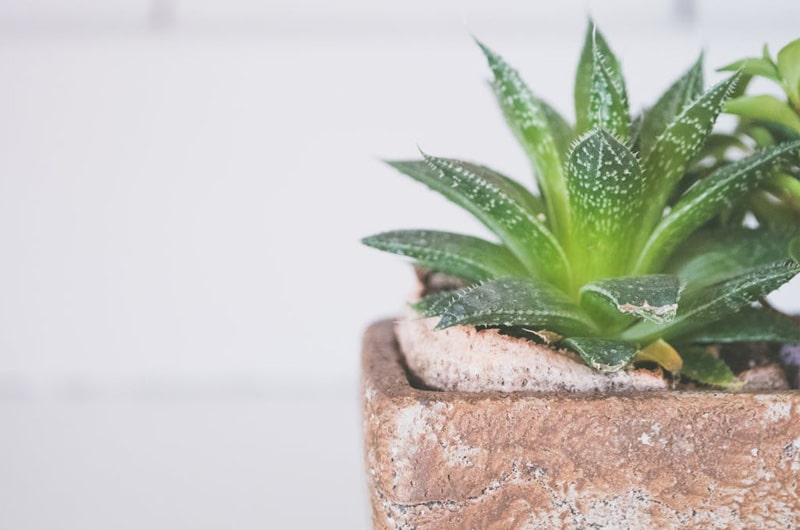
- Aloe vera juice (important: with latex removed): H. pylori, including resistant strains, is sensitive to aloe inner gel (Cellini, 2014).
- Probiotic strain Limosilactobacillus reuteri: Binds H. pylori, clumps it up in a little ball, and it comes out in stool.
- Olive leaf extract: Found to selectively reduce H. pylori in studies (Villalva et al., 2022).
- Zinc carnosine.
- DGL or licorice (Hajiaghamohammadi et al., 2016).
- Manuka honey 16 (15+) (al Somal et al., 1994).
Foods to Focus on During Your H. pylori Protocol
- Protein powder meal replacement: May be needed since HCL will be limited, and thus protein will not be broken down correctly. Protein powder is already broken down to amino acids and will ensure proper protein assimilation.
- Vitamin C: Epidemiological studies have also shown, more or less across the board, that diets high in fruit and vegetables and therefore rich in vitamin C, as well as other antioxidant nutrients, are associated with lower rates of this infection and less disease outcome when the infection is present. Enjoy sweet peppers, watercress, kiwi fruit, strawberries, potatoes, and melon.
- Increase iron-rich foods: Dark leafy greens, legumes, chia seeds, fresh parsley, and dried fruit. Stinging nettle tea may be helpful.
- Increase carotenoid-rich foods: Carrots, apricots, parsley, watercress, spinach, cantaloupes, mangoes, and sweet potatoes.
- Increase soluble and insoluble fiber: Whole grains, legumes, vegetables, dried and fresh fruit, and seeds. If you also have IBS, start a meal with a soluble fiber (starchy one).
What to Avoid During Your H. pylori Protocol
- Smoked and pickled foods, dairy, chocolate, refined flours, meats, sugar, saturated fat, salt.
- Ulcer healing can be impaired by black pepper and any other kind of spicy pepper.
- Overeating.
- NSAIDs and steroids: They can damage the stomach lining and lead to ulceration. Instead, focus on whole foods and fresh foods.
- Alcohol and caffeine will stimulate HCL, so absolutely remove them from your diet.
Key Takeaways
- H. pylori is a common co-infection in individuals with chronic EBV, often leading to autoimmunity and severe GI complications.
- Accurate testing and a combination of natural remedies can effectively address H. pylori, especially when conventional treatments fail.
- Diet plays a critical role in managing H. pylori and supporting gut healing.
References:
Ahmed, N. (2005). 23 years of the discovery of Helicobacter pylori: is the debate over? Ann Clin Microbiol Antimicrob, 4, 17. doi:10.1186/1476-0711-4-17
al Somal, N., Coley, K. E., Molan, P. C., & Hancock, B. M. (1994). Susceptibility of Helicobacter pylori to the antibacterial activity of manuka honey. J R Soc Med, 87(1), 9-12.
Ayala, G., Escobedo-Hinojosa, W. I., de la Cruz-Herrera, C. F., & Romero, I. (2014). Exploring alternative treatments for Helicobacter pylori infection. World Journal Of Gastroenterology: WJG, 20(6), 1450-1469.
Berstad, K., & Berstad, A. (1993). Helicobacter pylori infection in peptic ulcer disease. Scand J Gastroenterol, 28(7), 561-567.
Cammarota, G., Branca, G., Ardito, F., Sanguinetti, M., Ianiro, G., Cianci, R., . . . Gasbarrini, G. (2010). Biofilm demolition and antibiotic treatment to eradicate resistant Helicobacter pylori: a clinical trial. Clin Gastroenterol Hepatol, 8(9), 817-820 e813. doi:10.1016/j.cgh.2010.05.006
Cellini, L., Di Bartolomeo, S., Di Campli, E., Genovese, S., Locatelli, M., & Di Giulio, M. (2014). In vitro activity of Aloe vera inner gel against Helicobacter pylori strains. Lett Appl Microbiol, 59(1), 43-48. doi:10.1111/lam.12241
Enomoto, S., Yanaoka, K., Utsunomiya, H., Niwa, T., Inada, K., Deguchi, H., . . . Ichinose, M. (2010). Inhibitory effects of Japanese apricot (Prunus mume Siebold et Zucc.; Ume) on Helicobacter pylori-related chronic gastritis. Eur J Clin Nutr, 64(7), 714-719. doi:10.1038/ejcn.2010.70
Filocamo, A., Bisignano, C., Ferlazzo, N., Cirmi, S., Mandalari, G., & Navarra, M. (2015). In vitro effect of bergamot (Citrus bergamia) juice against cagA-positive and-negative clinical isolates of Helicobacter pylori. BMC Complementary & Alternative Medicine, 15(1), 1-7. doi:10.1186/s12906-015-0769-2
Ford, A. C., Malfertheiner, P., Giguere, M., Santana, J., Khan, M., & Moayyedi, P. (2008). Adverse events with bismuth salts for Helicobacter pylori eradication: systematic review and meta-analysis. World J Gastroenterol, 14(48), 7361-7370.
Graham, D. Y. (2015). Helicobacter pylori update: gastric cancer, reliable therapy, and possible benefits.Gastroenterology, 148(4), 719-731 e713. doi:10.1053/j.gastro.2015.01.040
Hajiaghamohammadi, A. A., Zargar, A., Oveisi, S., Samimi, R., & Reisian, S. (2016). To evaluate of the effect of adding licorice to the standard treatment regimen of Helicobacter pylori. Braz J Infect Dis, 20(6), 534-538.
Hamidian, S. M., Aletaha, N. S., Taslimi, R., & Montazeri, M. (2015). An Additive Effect of Oral N-Acetyl Cysteine on Eradication of Helicobacter pylori. J Pathog, 2015, 540271. doi:10.1155/2015/540271
Hung, I. F., & Wong, B. C. (2009). Assessing the risks and benefits of treating Helicobacter pylori infection. Therap Adv Gastroenterol, 2(3), 141-147. doi:10.1177/1756283X08100279
Hung, I. F. N. and Wong, B. C. Y. (2013) ‘Assessing the Risks and Benefits of Treating Helicobacter Pylori Infection’, 2(3).
Huwez, F. U., Thirlwell, D., Cockayne, A., & Ala’Aldeen, D. A. (1998). Mastic gum kills Helicobacter pylori. N Engl J Med, 339(26), 1946.
Jarosz, M., Dzieniszewski, J., Dabrowska-Ufniarz, E., Wartanowicz, M., Ziemlanski, S., & Reed, P. I. (1998). Effects of high dose vitamin C treatment on Helicobacter pylori infection and total vitamin C concentration in gastric juice. Eur J Cancer Prev, 7(6), 449-454.
Koletzko, S., Jones, N. L., Goodman, K. J., Gold, B., Rowland, M., Cadranel, S., . . . Naspghan. (2011). Evidence-based guidelines from ESPGHAN and NASPGHAN for Helicobacter pylori infection in children. J Pediatr Gastroenterol Nutr, 53(2), 230-243. doi:10.1097/MPG.0b013e3182227e90
Kulick, S., Moccia, C., Didelot, X., Falush, D., Kraft, C., & Suerbaum, S. (2008). Mosaic DNA Imports with Interspersions of Recipient Sequence after Natural Transformation of Helicobacter pylori. PLoS One, 3(11), 1-9.
Lin, Y. T., Kwon, Y. I., Labbe, R. G., & Shetty, K. (2005). Inhibition of Helicobacter pylori and associated urease by oregano and cranberry phytochemical synergies. Appl Environ Microbiol, 71(12), 8558-8564.
Misciagna, G., Cisternino, A. M., & Freudenheim, J. (2000). Diet and duodenal ulcer. Dig Liver Dis, 32(6), 468-472.
Preuss, H. G., Echard, B., Enig, M., Brook, I., & Elliott, T. B. (2005). Minimum inhibitory concentrations of herbal essential oils and monolaurin for gram-positive and gram-negative bacteria. Mol Cell Biochem, 272(1-2), 29-34.
Rimbara, E., Fischbach, L. and Graham, D. (2011) ‘Optimal therapy for Helicobacter pylori infections.’, Nature reviews. Gastroenterology & hepatology., 2(8).
Rokka, S., Pihlanto, A., Korhonen, H., & Joutsjoki, V. (2006). In vitro growth inhibition of Helicobacter pylori by lactobacilli belonging to the Lactobacillus plantarum group. Letters in Applied Microbiology, 43(5), 508-513.
Sangiovanni, E., Vrhovsek, U., Rossoni, G., Colombo, E., Brunelli, C., Brembati, L., . . . Dell’Agli, M. (2013). Ellagitannins from Rubus Berries for the Control of Gastric Inflammation: In Vitro and In Vivo Studies. PLoS One, 8(8), 1-12. doi:10.1371/journal.pone.0071762
Sarker, S. A., & Gyr, K. (1992). Non-immunological defence mechanisms of the gut. Gut, 33(7), 987-993.
Sierra, M. S., Hastings, E. V., & Goodman, K. J. (2013). What do we know about benefits of H. pylori treatment in childhood? Gut Microbes, 4(6), 549-567. doi:10.4161/gmic.27000
Sharma, V. K., Lynn, A., Kaminski, M., Vasudeva, R., & Howden, C. W. (1998). A study of the prevalence of Helicobacter pylori infection and other markers of upper gastrointestinal tract disease in patients with rosacea. Am J Gastroenterol, 93(2), 220-222. doi:10.1111/j.1572-0241.1998.00220.x
Smyk, D. S., Koutsoumpas, A. L., Mytilinaiou, M. G., Rigopoulou, E. I., Sakkas, L. I., & Bogdanos, D. P. (2014). Helicobacter pylori and autoimmune disease: cause or bystander. World J Gastroenterol, 20(3), 613-629.
Sugano, K., Tack, J., Kuipers, E. J., Graham, D. Y., El-Omar, E. M., Miura, S., … Malfertheiner, P. (2015). Kyoto global consensus report on Helicobacter pylori gastritis. Gut, 64(9), 1353–1367.
Testerman, T. L., & Morris, J. (2014). Beyond the stomach: an updated view of Helicobacter pylori pathogenesis, diagnosis, and treatment. World J Gastroenterol, 20(36), 12781-12808.
Villalva, M., Silvan, J. M., Guerrero-Hurtado, E., Gutierrez-Docio, A., Navarro Del Hierro, J., Alarcon-Cavero, T., . . . Martinez-Rodriguez, A. J. (2022). Influence of In Vitro Gastric Digestion of Olive Leaf Extracts on Their Bioactive Properties against H. pylori. Foods, 11(13).
Vítor, J. M. B., & Vale, F. F. (2011). Alternative therapies for Helicobacter pylori: probiotics and phytomedicine. FEMS Immunology & Medical Microbiology, 63(2), 153-164.


Leave A Comment